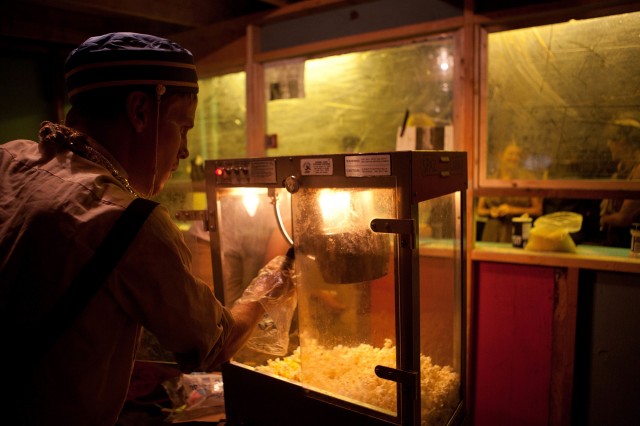
About Empire Drive-In
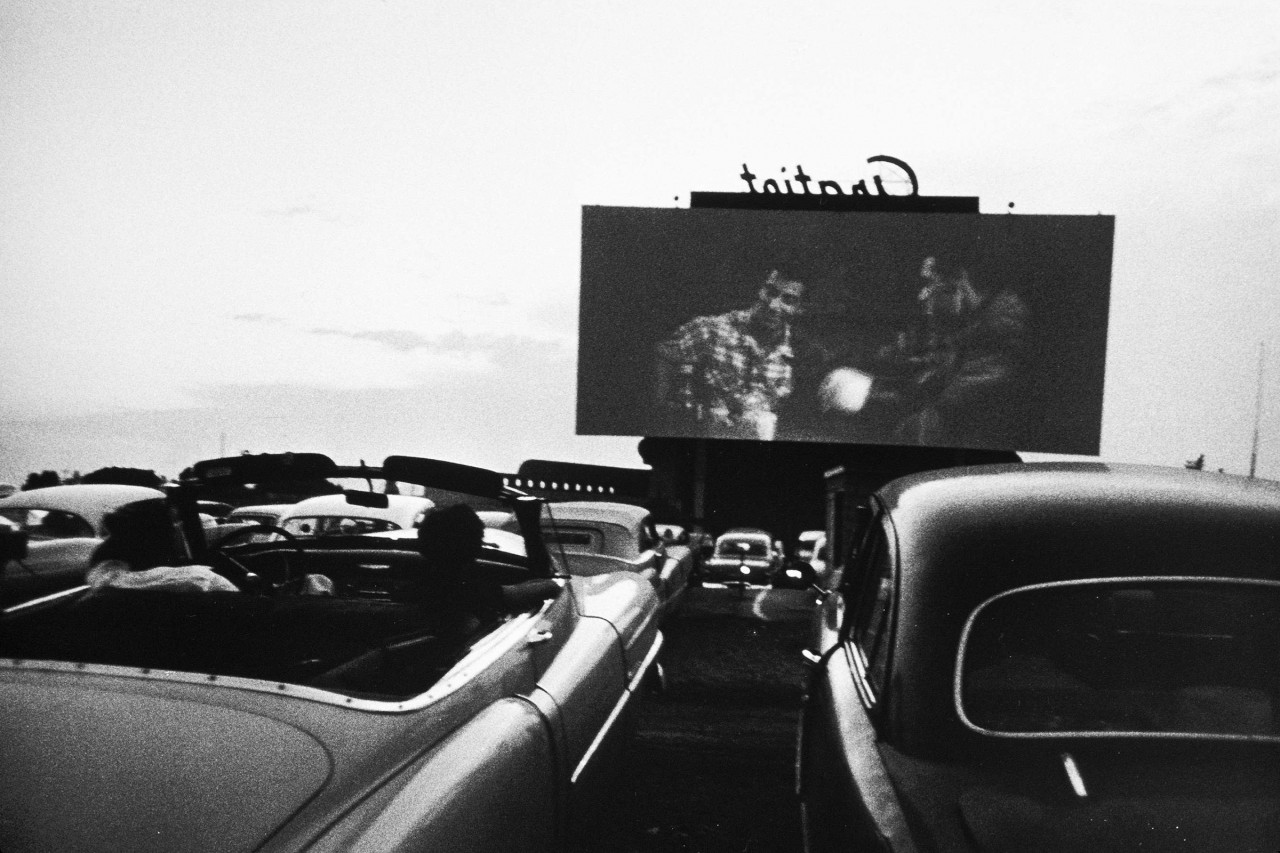
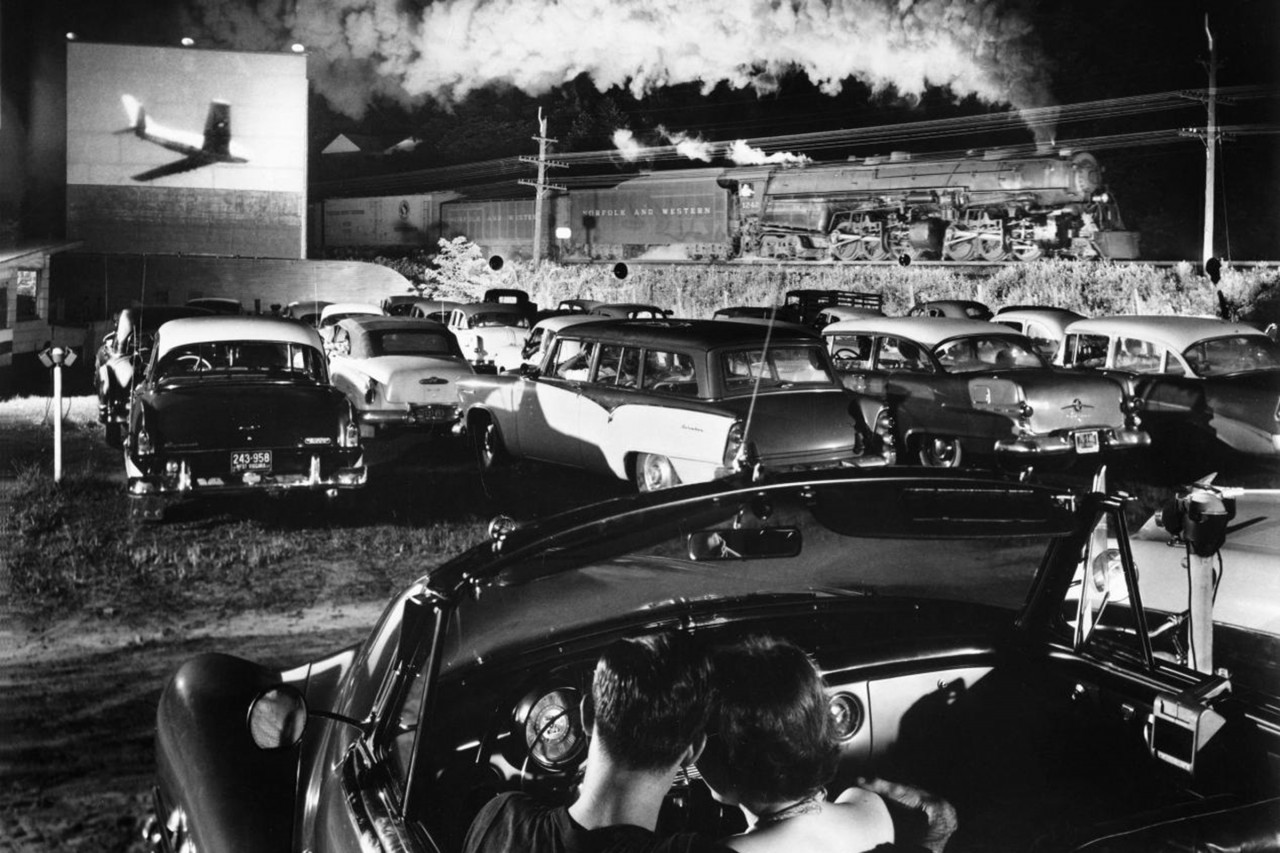
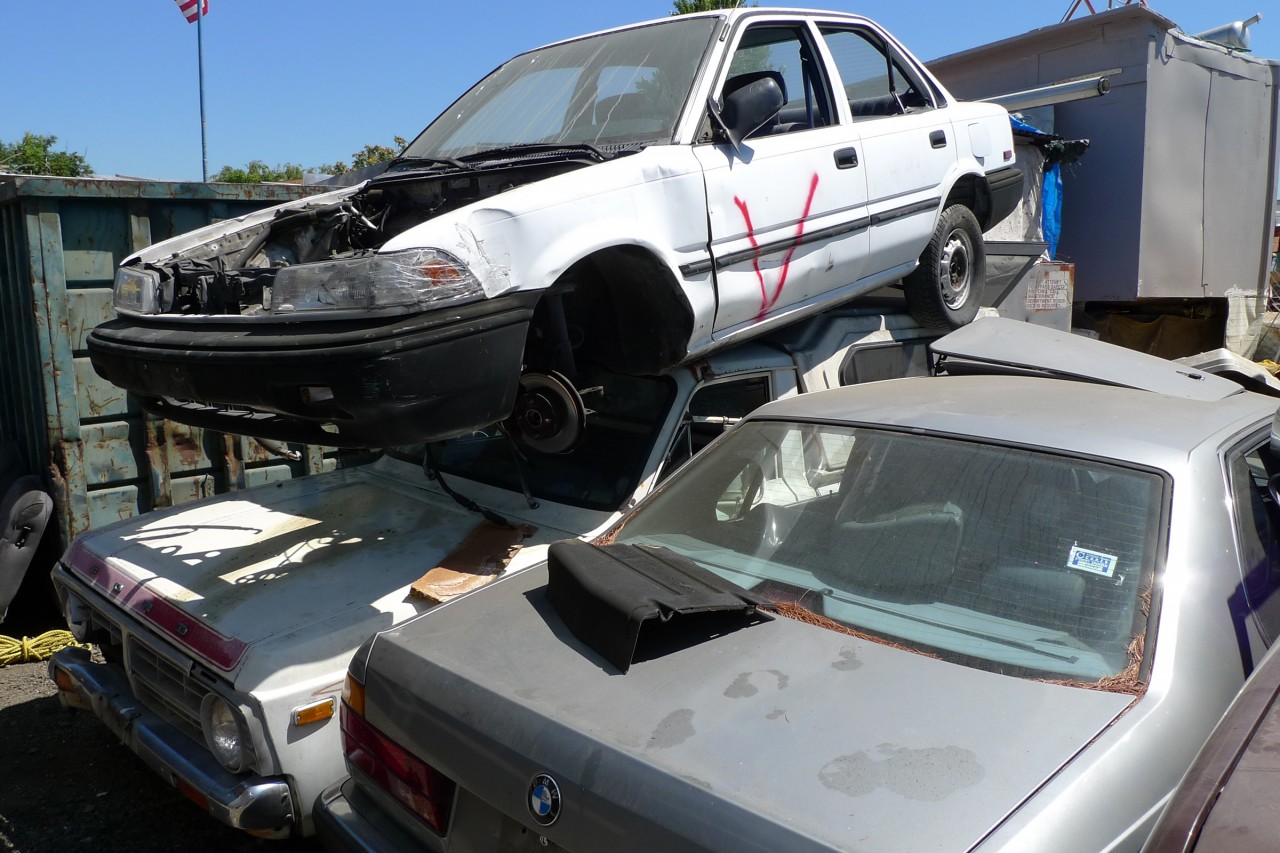
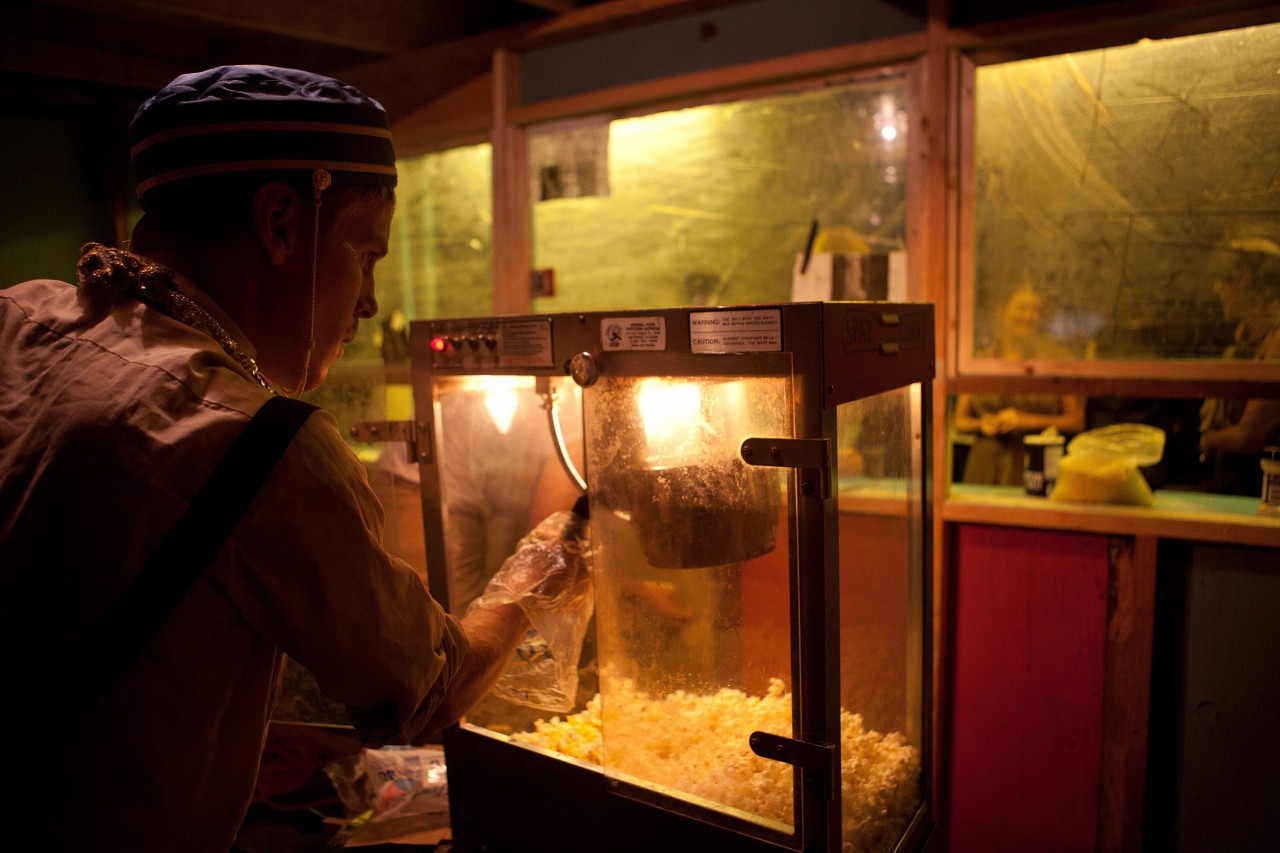
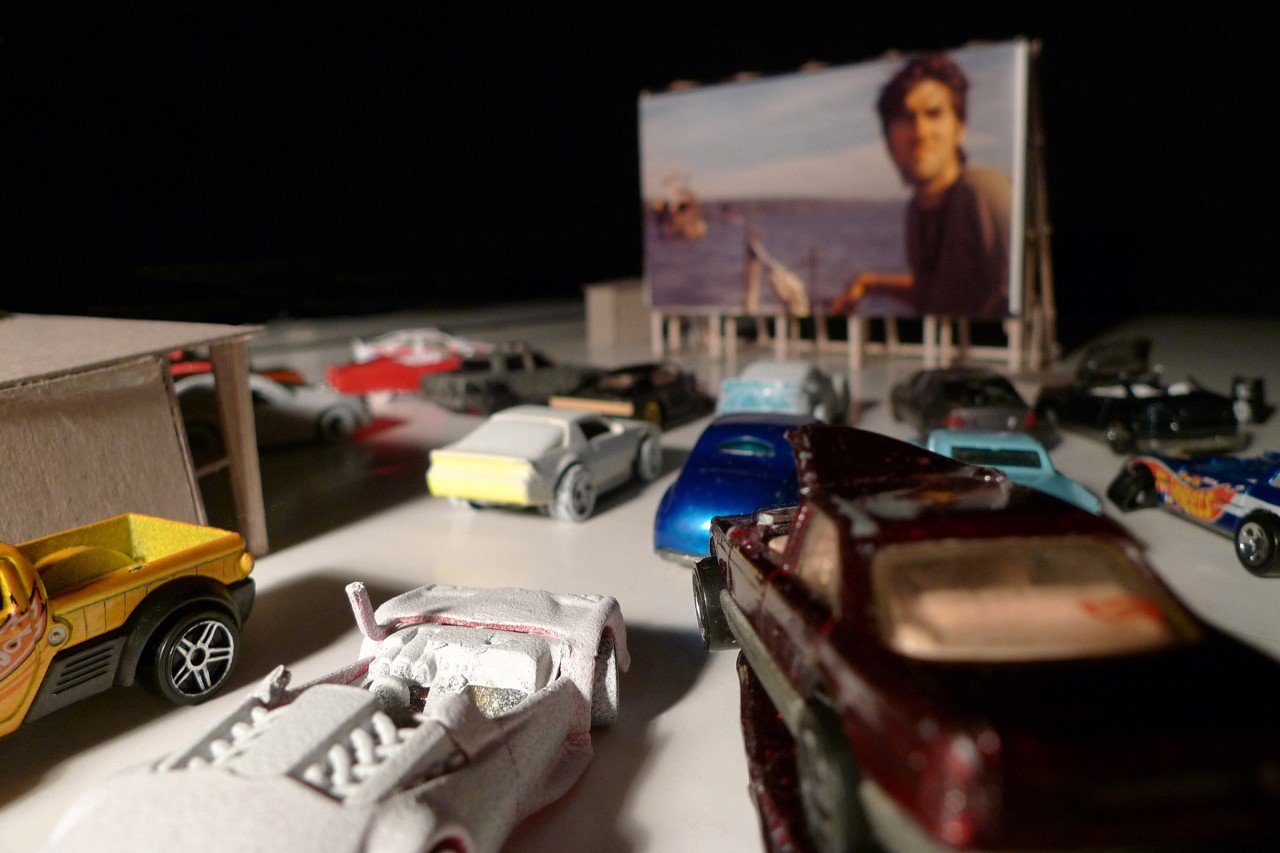
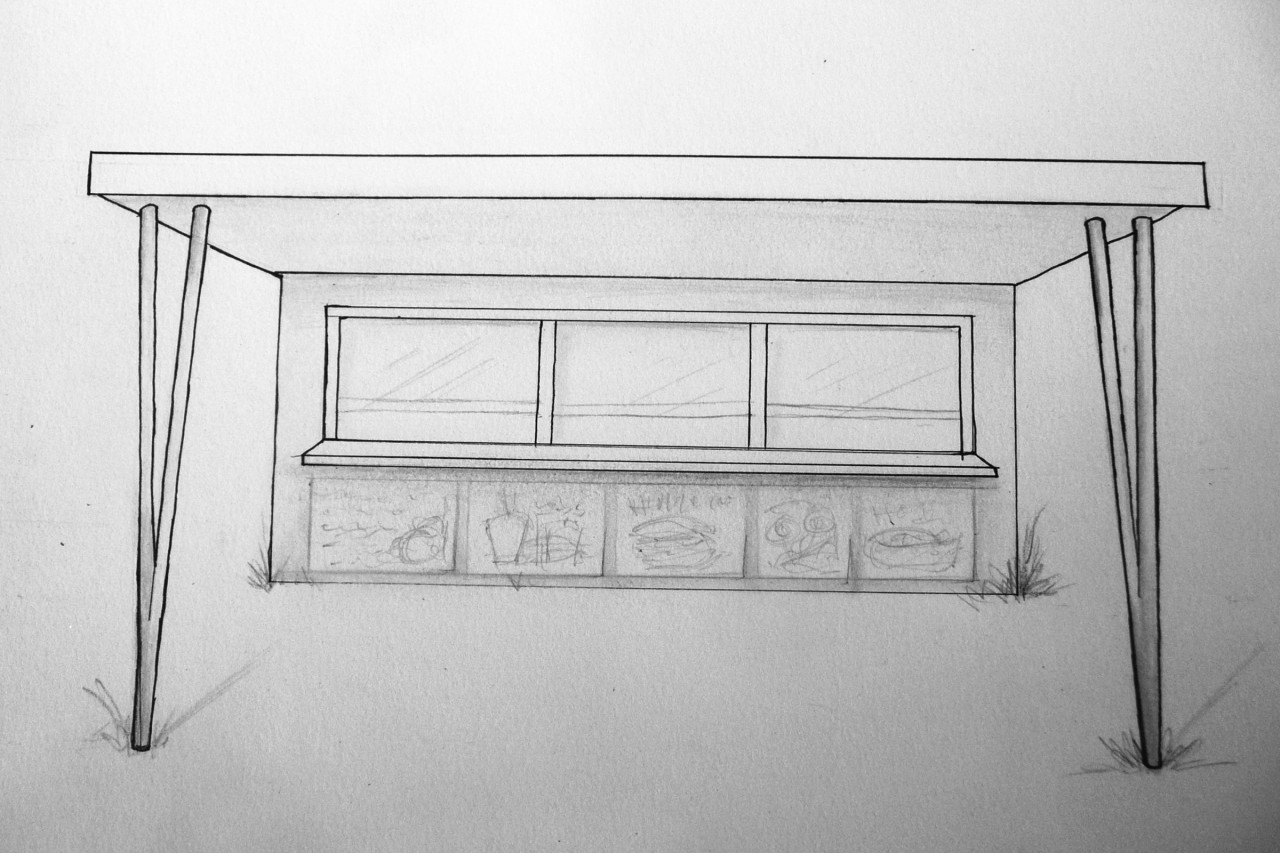
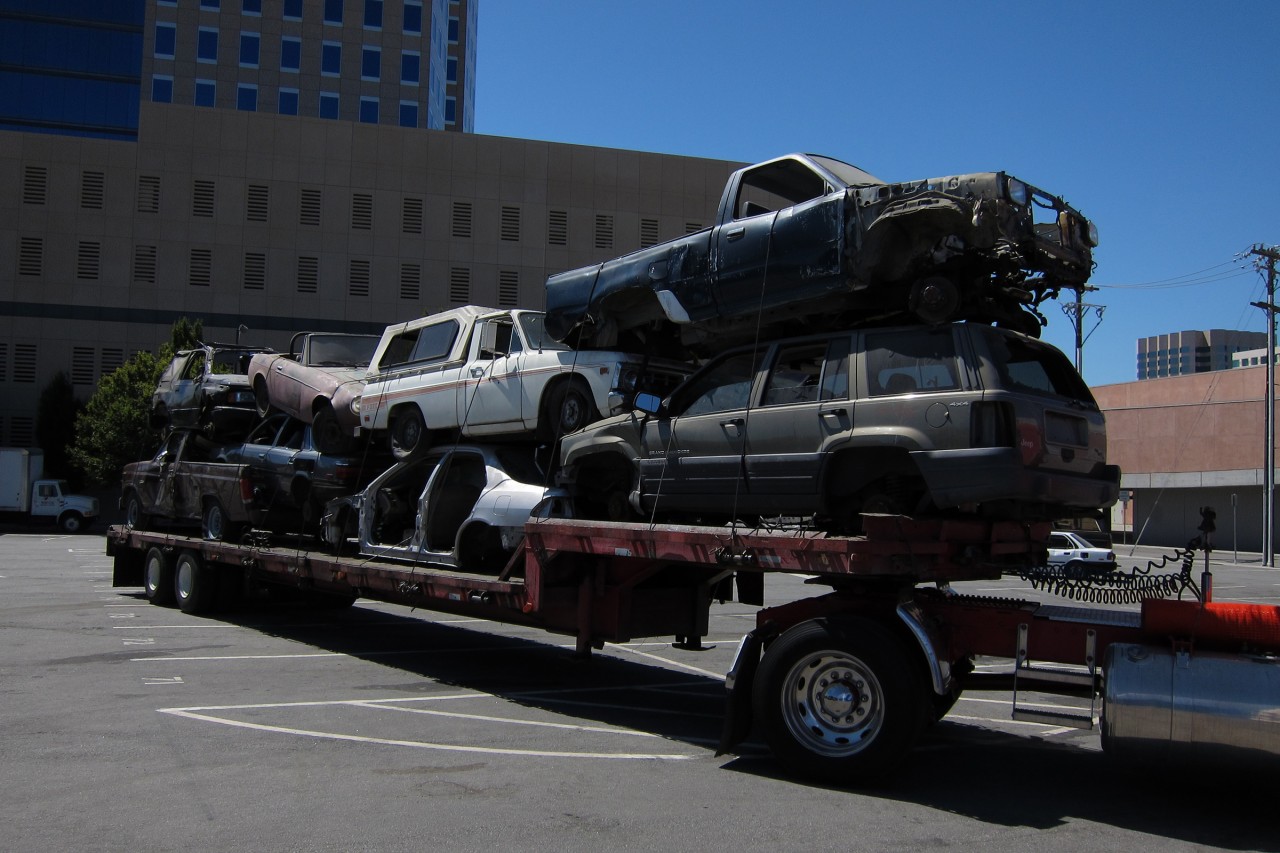
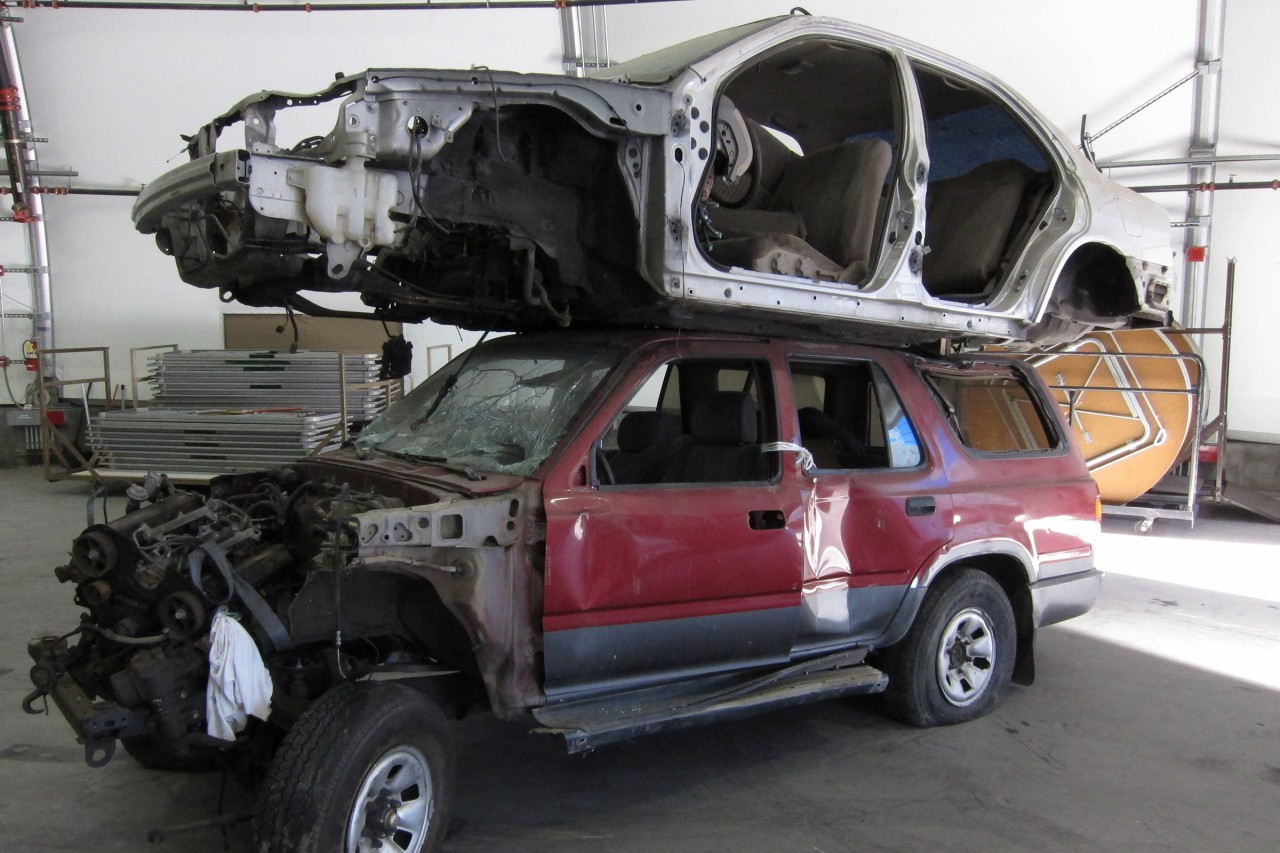
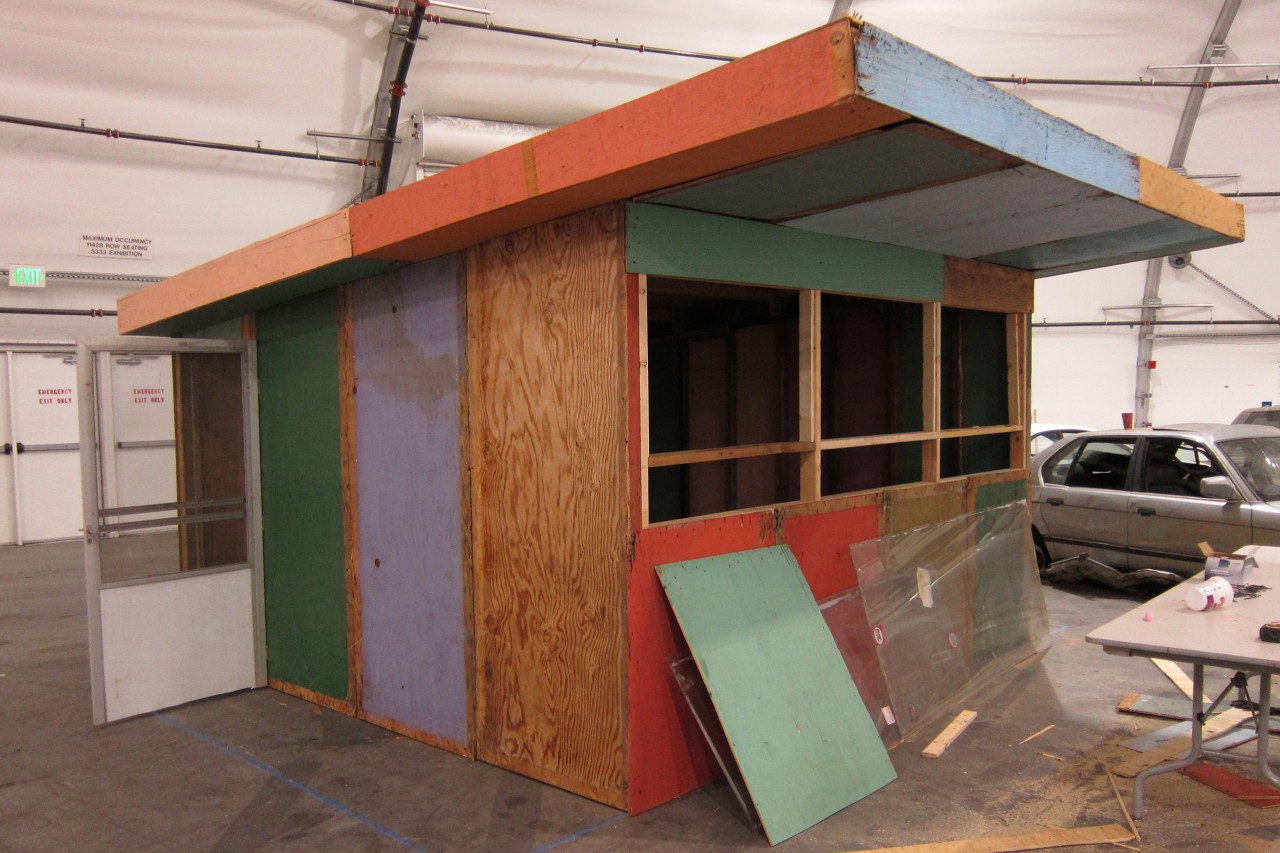
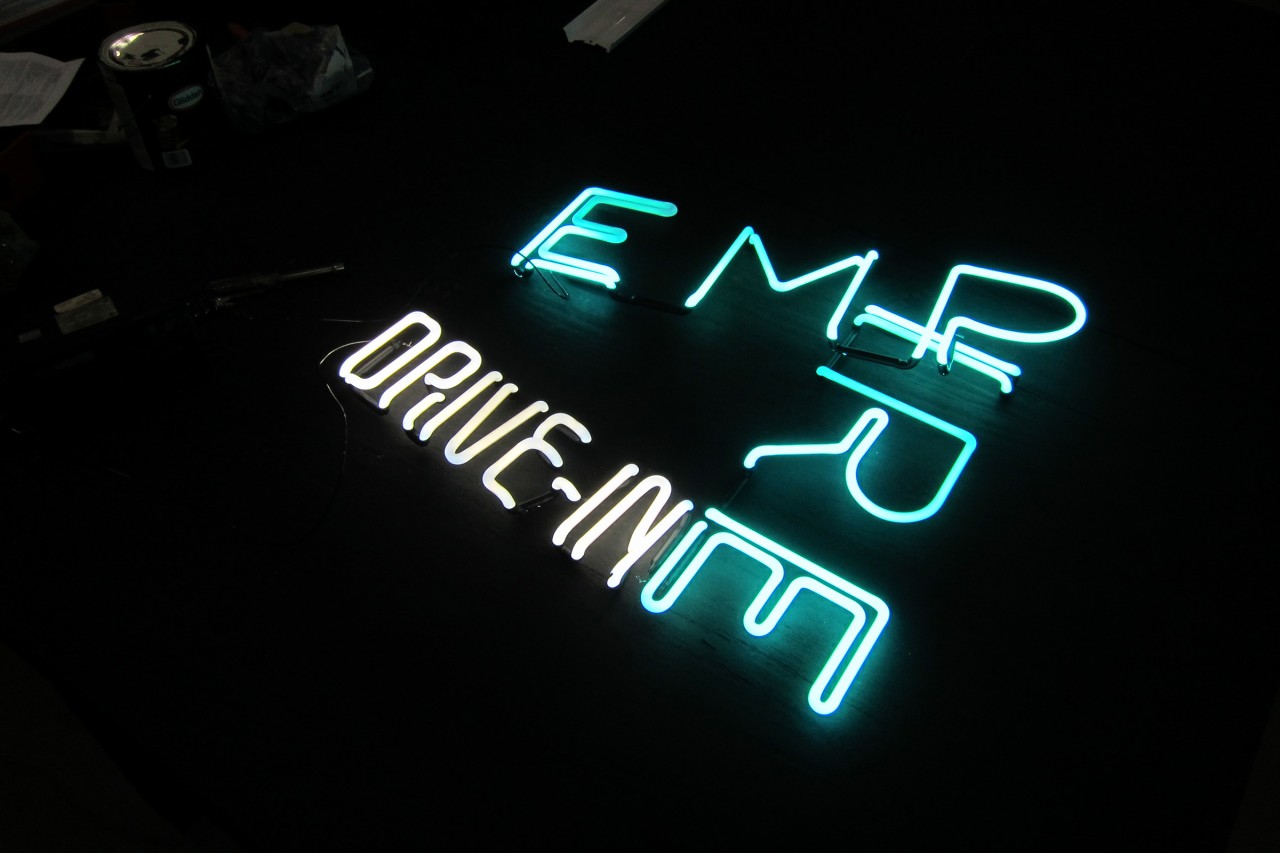
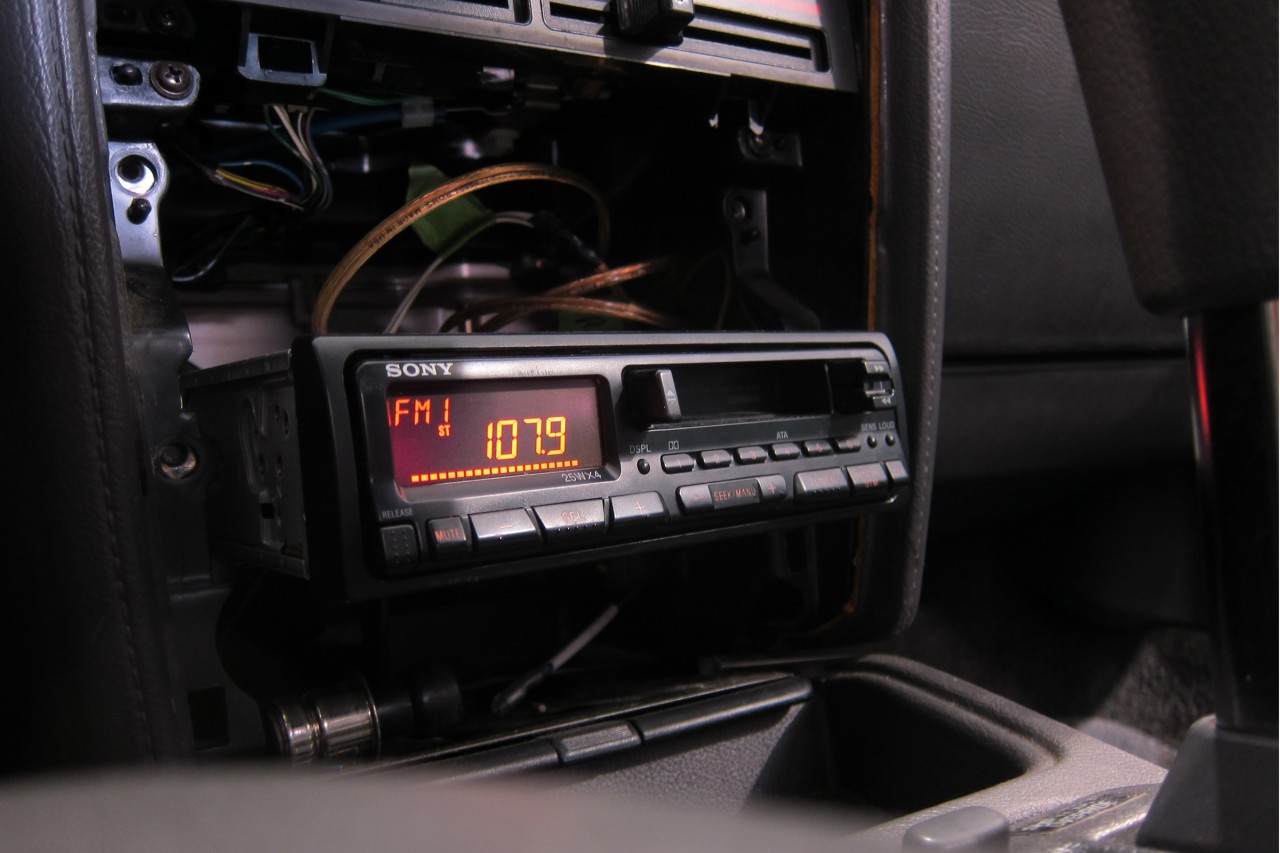
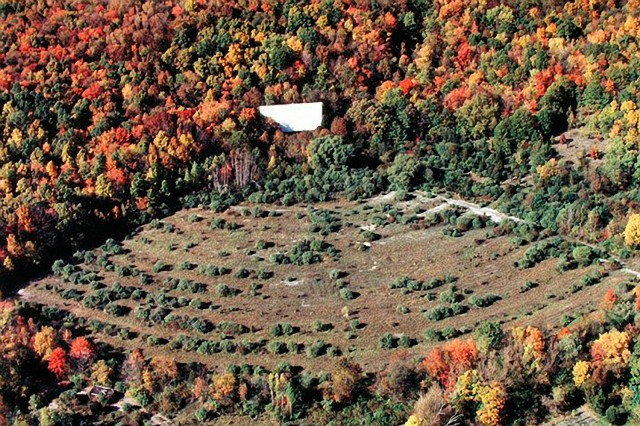
Empire Drive-In is a full-scale theater made out of wrecked cars and a 40-foot screen constructed of salvaged wood. Audiences climb in and out of cars rescued from the junkyard to watch films projected on the big screen. Low-power radio transmits stereo audio directly to each car.
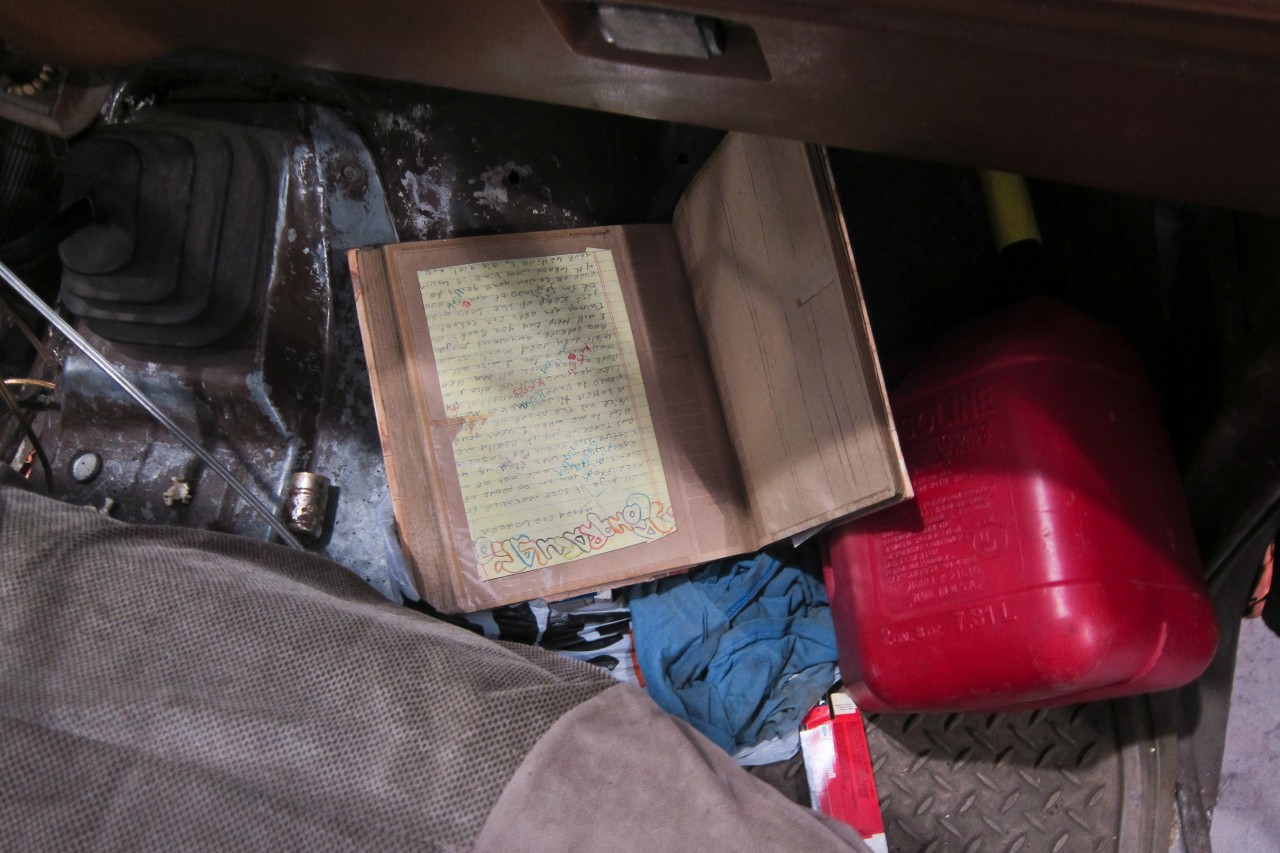
Empire Drive-In asks a series of questions about cars, car culture, and creative reuse, and then invites audiences to be a part of this conversation. The films and performances programmed reflect the themes of the overall project, and every element, from the glowing marquee to the personal items left in the salvaged cars, offers an opportunity to re-examine mass entertainment, easy nostalgia, and why we still want to experience the spectacle of cinema together.
History
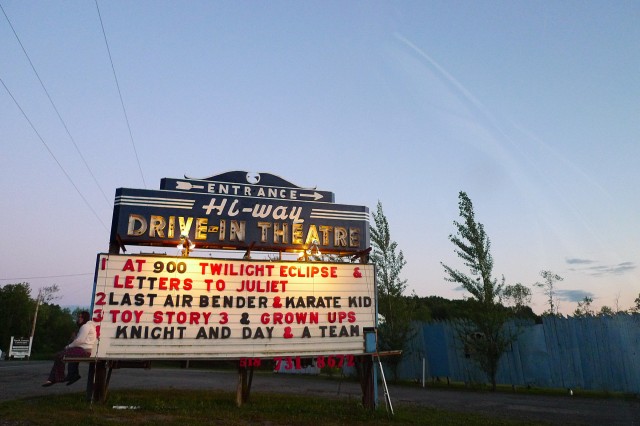
The American drive-in theater peaked in popularity in the late 1950s and early 1960s, concurrent with the domination of the Eisenhower Interstate Highway System and cheap, plentiful gasoline. For a short time, the drive-in theater was a million dollar industry. At one point in the mid 1950s, there were 4,000 drive-ins across the country. Most were run by independent owners and small chains, and movies were only part of the show. It gave hope to Hollywood studios threatened by the new technology of television, and it was one of the first industries to target teenagers as a market.
By the time we got to the drive-in — when we were kids in the late 1970s and early 1980s — the whole industry was in bad shape. Drive-ins had been choked out by major studios, preached against by local ministers, and gobbled up by developers. And yet when we watched a second-run Star Wars on the big screen from the bench seat of our grandparent’s Buick, there was some sort of magic, an experience both indoors and out, familiar and strange, personal and grand.
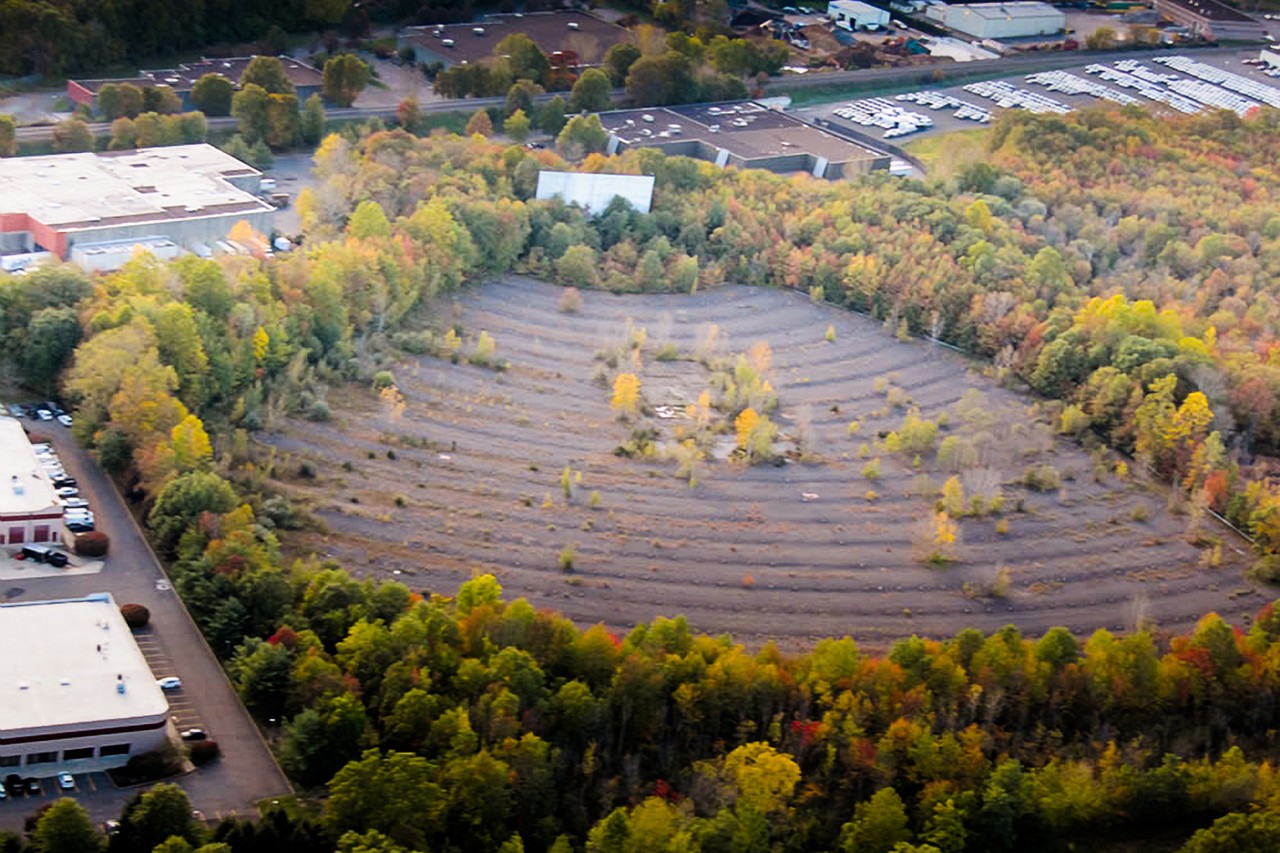
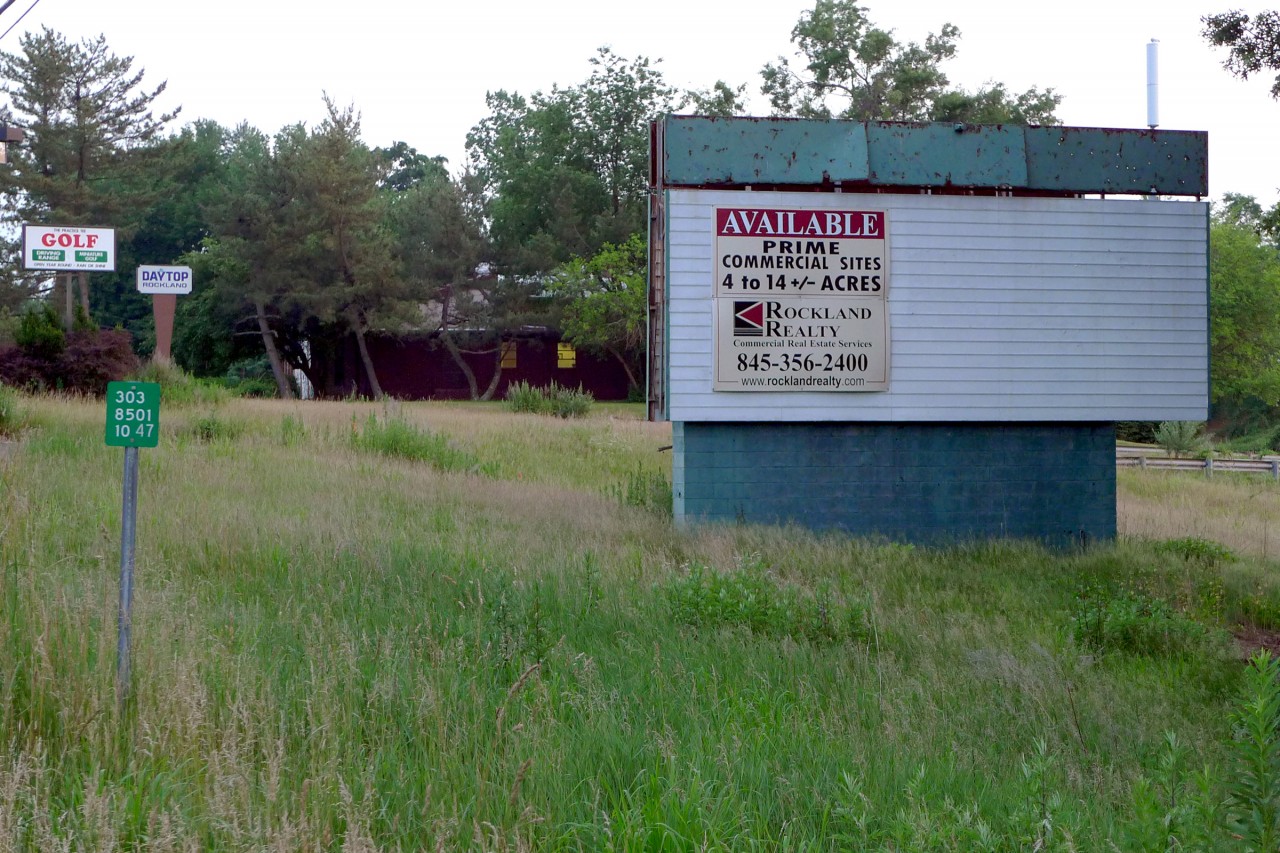
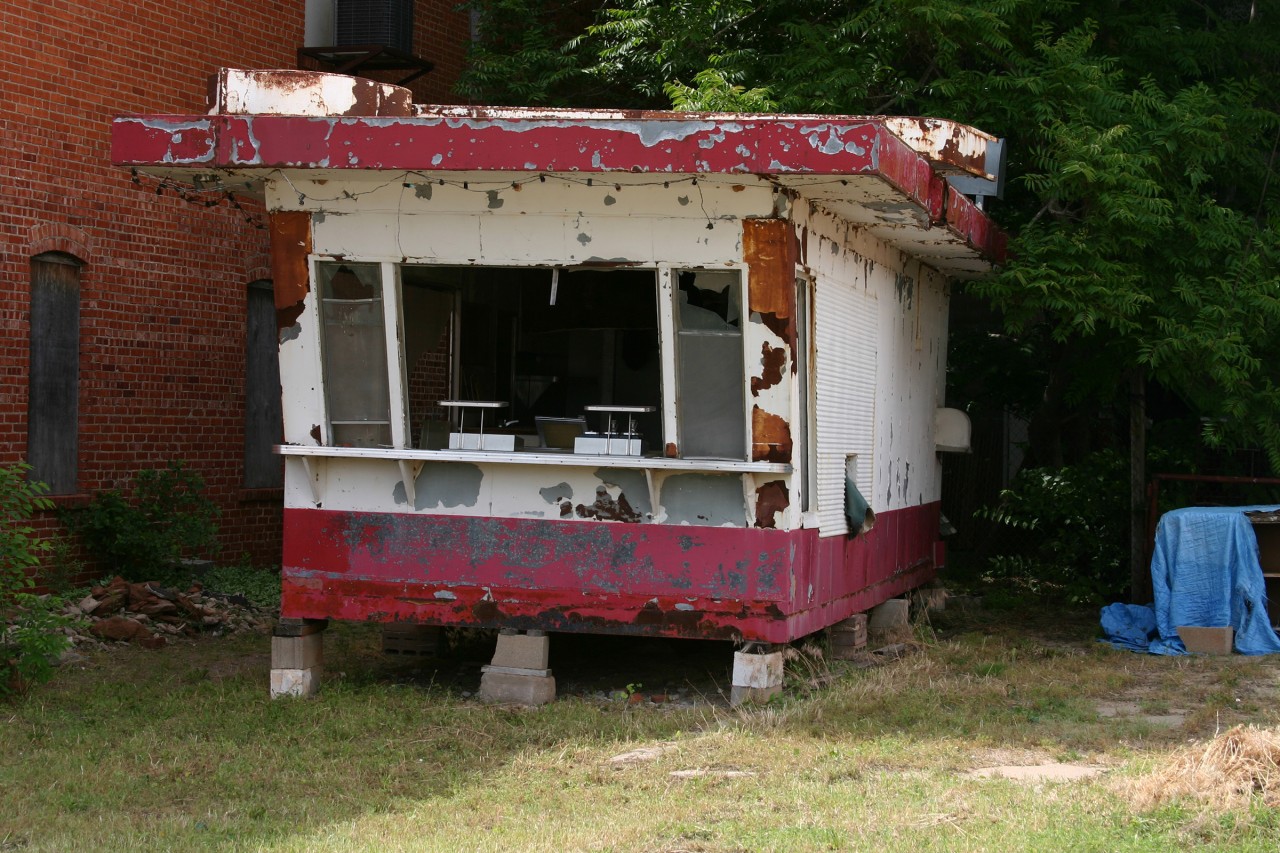
Now there are only 368 drive-ins in the United States. Those that remain represent a working reconciliation of public and private space. They suggest a place for both, out on the edge of town, when the sun goes down and the fireflies come out. It’s a part of what we have attempted to recreate at Empire Drive-In. But we didn’t build our installation out of nostalgia, or in some attempt to relive our childhoods. We built it as a monument to a failed system, to unchecked consumerism, to the death of public space, and to the end of a certain kind of American innocence.
Cars and Planned Obsolescence
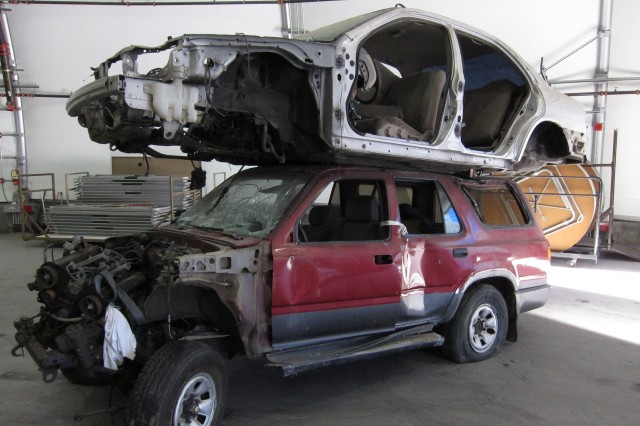
The cars in Empire Drive-In are not vintage Thunderbirds or Mustangs from the 1960s. They are 2002 Nissan Altimas and 1999 Ford Escorts. This is not an accident. In the 1920s, cars were made to last. By the 1970s they were disposable, the result of planned obsolescence. Originally coined in the 1930s by real estate broker Bernard London in his pamphlet, “Ending the Depression Through Planned Obsolescence,” the idea grew into a strategy of creating products designed to break or go out of style. From sewing machines to cars, products were designed to be bought, disposed of, and repurchased. One result of this shift is a massive amount of waste. An empire of trash.
Waste Stream
Empire Drive-In is a temporary intervention in the waste stream. The cars come from local junkyards, which strip vehicles of resellable components. We rent the cars before they are squeezed into cubes at the crusher and shipped away to be used as raw materials. Empire Drive-In pulls cars from the waste stream, repurposes them, and then sends them back into the stream. We also follow a similar practice with wood and other materials, purchasing materials from resellers and donating materials after the project to arts organizations.
Found Objects and Narrative
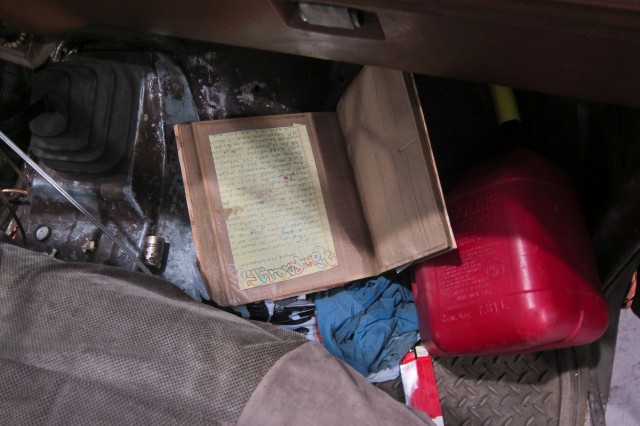
We work with found objects and recycled materials whenever possible; there is no shortage of perfectly good garbage. But we also work with found objects because they contain stories. Each piece of wood or old door has had several lives before it touches our hands. We are interested in this accumulation of narratives, the silent, collective histories held in our discarded objects. This is most evident in the cars. Cars arrive at the junkyard full of stuff. They have been impounded, towed away after accidents, left in foreclosed driveways.
Flood Tide
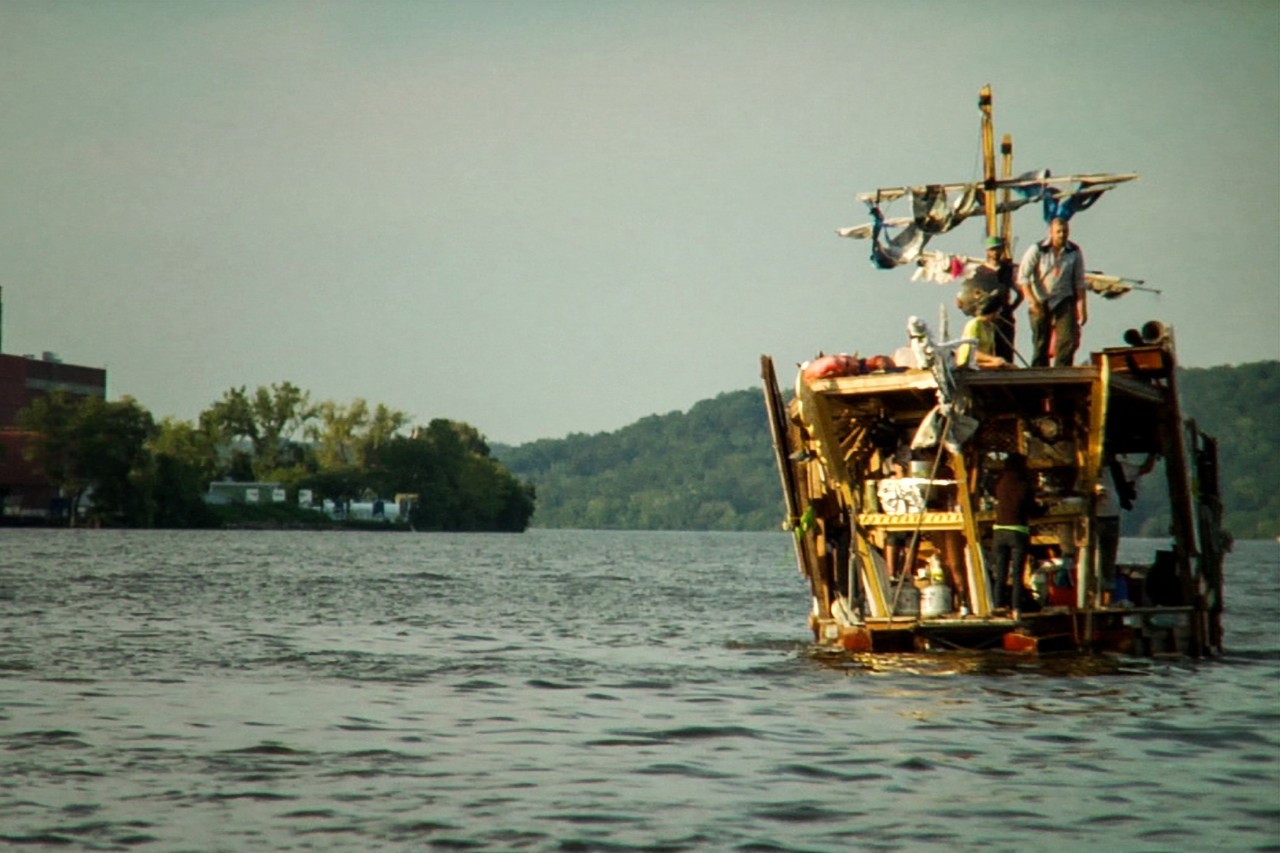
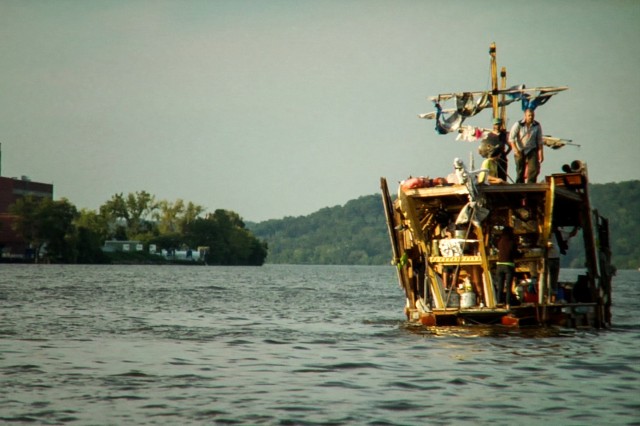
Initially we made Empire Drive-In specifically for Todd Chandler’s film Flood Tide, which is set in a post-industrial city. Flood Tide is basically a road movie on a river, but thematically it’s about creative reuse and the kinds of possibility that you find in places on the margins, from vacant buildings to the weird lots on the edge of town. The idea with Empire Drive-In was to build a place that felt like the movie itself. More than that, we wanted to find a way to make watching the movie special — more alive. When you make a film, you want people to appreciate the work that’s gone into it, and that can be hard nowadays, when it’s so easy to watch films alone, on your phone or on a laptop. We watch movies this way too, but sometimes we can be a little wistful for a time when movies felt larger than life, and an experience that you shared with other people.
Participation
Empire Drive-In invites audiences to participate. We ask audiences to create their own space within the drive-in, to explore different cars, climb on top of them, look for artifacts in glove boxes, or walk from car to car and notice how the sound changes. We also work with local groups and collaborators to build the project and program the theater with live events. Artists have designed posters, musicians have played music with their films, and some couples have climbed into back seats when the movie was no longer more interesting than the person sitting next to them.